The Skye Museum of Island Life

Step back in time and discover the real story of island life.

The Skye Museum of Island Life offers visitors a unique and authentic insight into island life over a century ago. The museum comprises of eight thatched cottages, each with its own distinct story to tell. One of these, the Old Croft House, was lived in until as recently as 1957. This award-winning attraction is a must-visit for anyone exploring the beautiful Isle of Skye.

Plan Your Visit
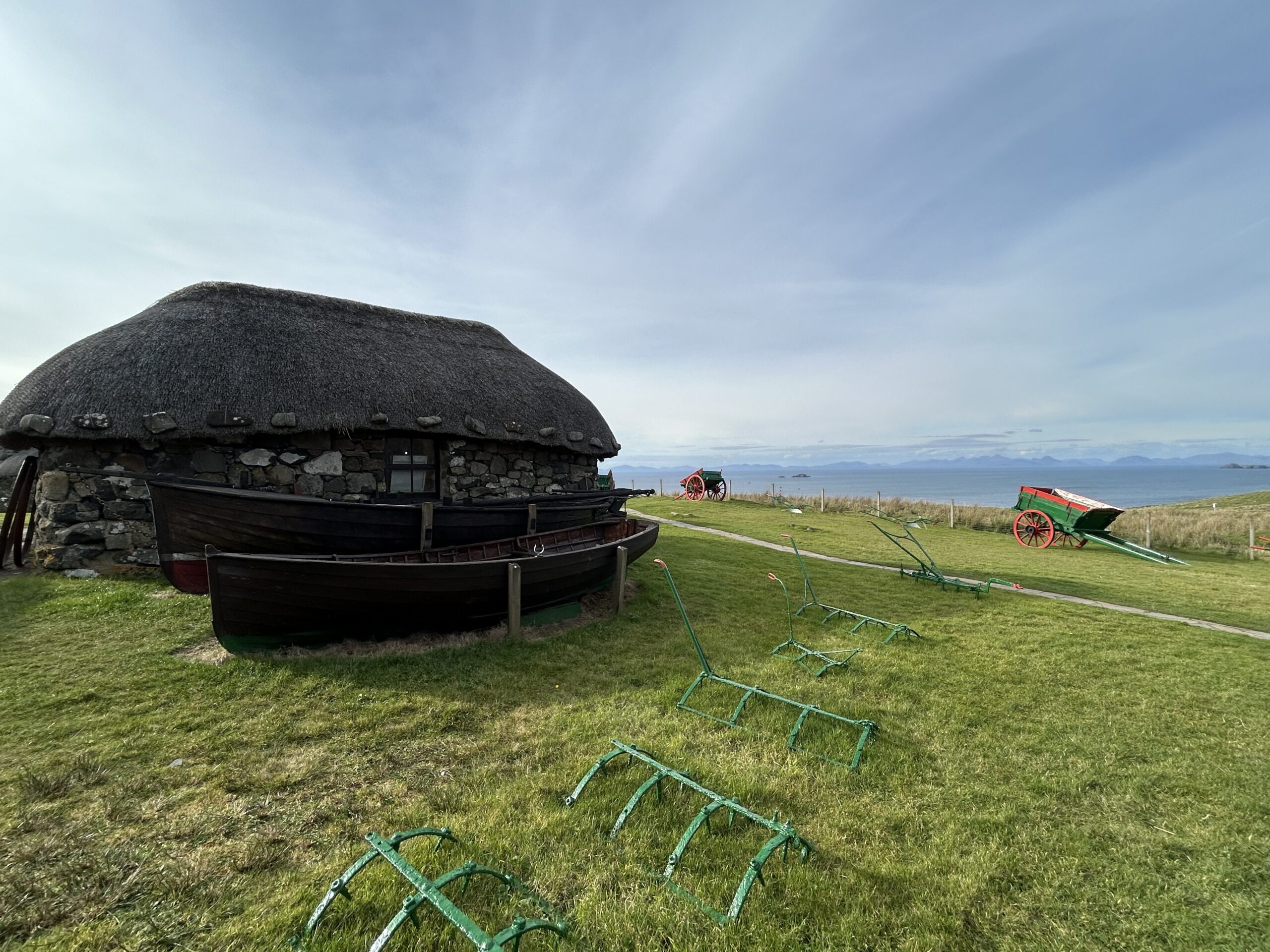
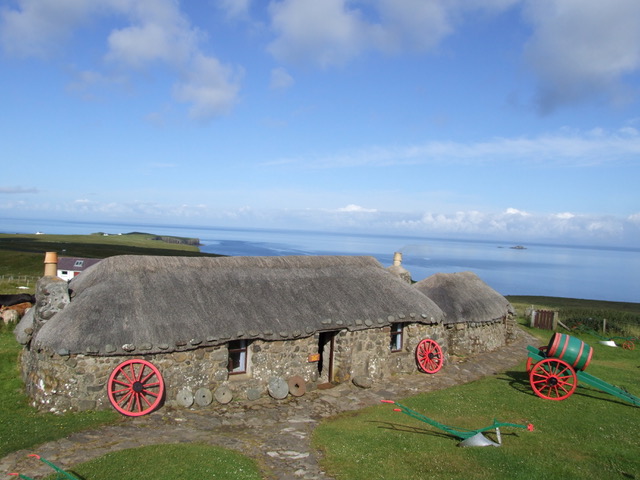
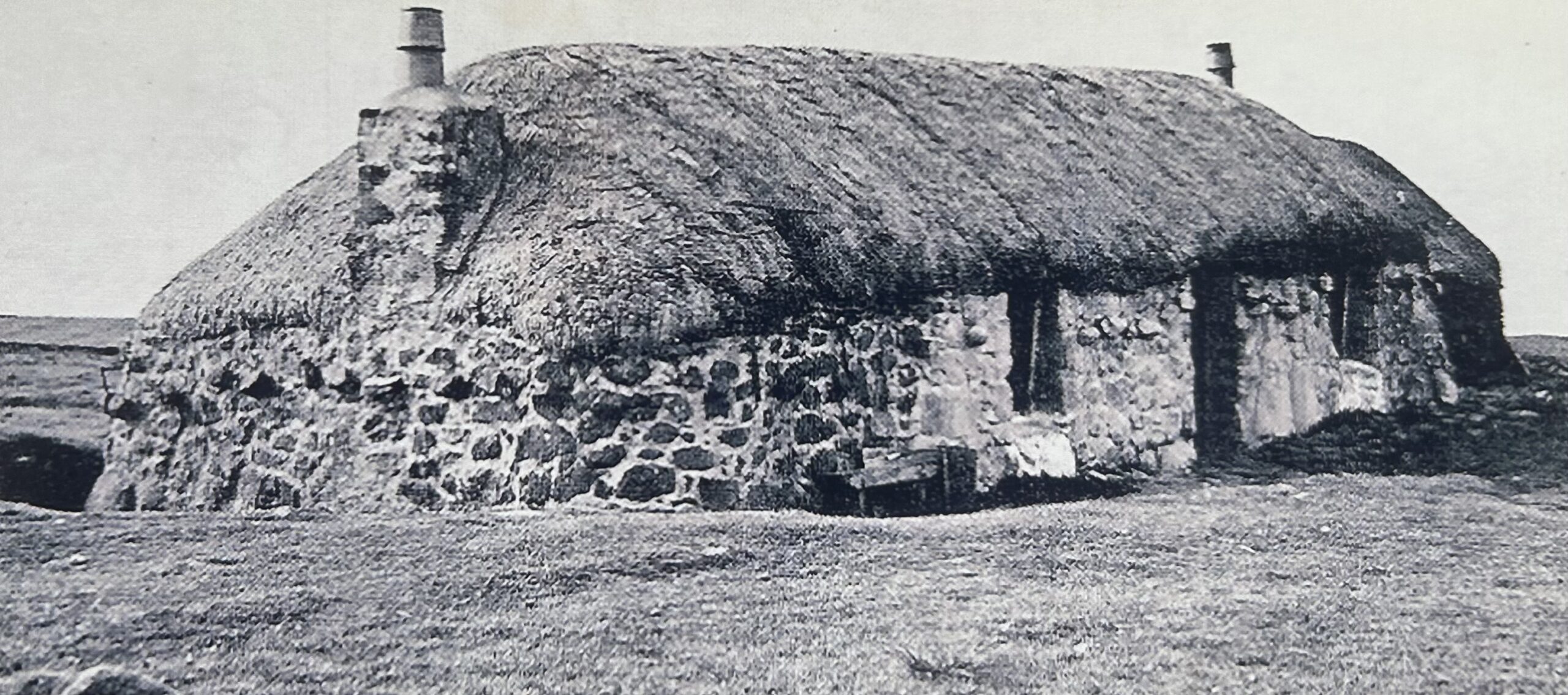
Traditional thatched cottage at Skye Museum of Island Life

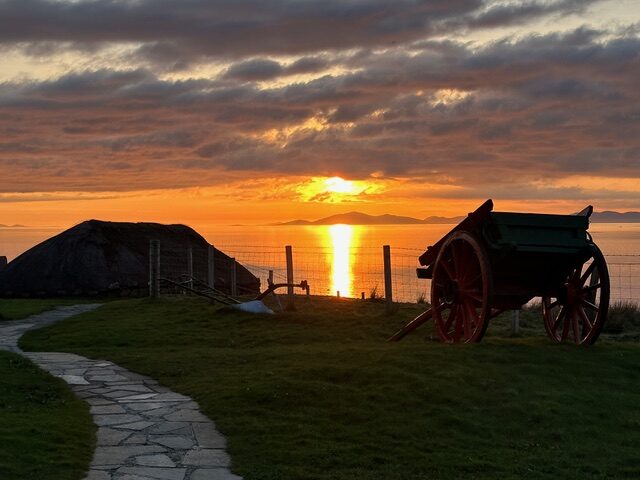
Walk through the past & experience Skye's heritage

While island life is often romanticised today, the reality for those who lived here over a hundred years ago was far more challenging. The museum provides a rare opportunity to understand how the majority of Highlanders truly lived — a world far removed from the grandeur of castles and stately homes.

History

The Skye Museum of Island Life, Kilmuir, Isle of Skye opened in 1965 to preserve a way of life that was disappearing. Each building reflecting island life at the end of the nineteenth century.

Once a defining feature of the Highland landscape, thatched cottages are now rare. However, a century ago they were central to daily life. Within their walls, lit by peat fires, island crofters sustained the songs and stories that shaped the cultural identity of the Hebrides. As these buildings rapidly disappeared, it became vital to preserve representative examples, leading to the establishment of the museum. The first cottage opened to the public in 1965 dates from the mid-nineteenth century and exemplifies the typical Skye dwelling of its time. Though basic by modern standards, such houses provided adequate warmth and shelter for people whose lives were largely lived outdoors and who placed little emphasis on material comfort. The museum was founded by Jonathan MacDonald MBE (1932–2021), a Skye-born crofter and cultural historian whose vision and dedication were instrumental in safeguarding this disappearing way of life. Awarded the MBE for his services to heritage and Gaelic culture, MacDonald devoted decades to collecting, restoring and interpreting the buildings and artefacts that form the heart of the museum today. His work ensured that the everyday lives of Skye’s crofting communities would be preserved for future generations.

Cottages

The Croft House

Built over 200 years ago using locally sourced materials, this house was occupied until 1957 and later opened as a museum in 1965 to preserve and interpret traditional Highland life for future generations.

The Byre

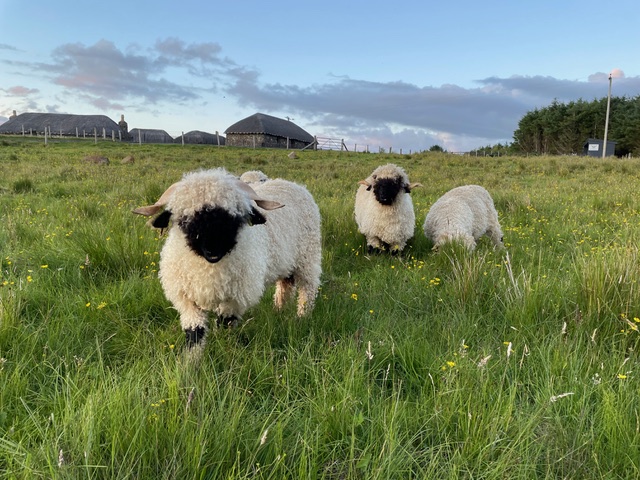
This building was used to house cattle during the winter, typically the family’s milking cow. Keeping the cow warm helped maintain milk production, providing essential dairy products such as milk, butter and cheese. The cow was mainly fed hay, supplemented with oats or potatoes and her manure was used to fertilise the land.

The Ceilidh House

The Gaelic word “Ceilidh” describes a small, informal gathering of friends. This house was once home to the local tailor, Mr MacKinnon, who owned one of the first wireless radios in the area. Most evenings, local men gathered there to listen to the news.

Exterior of restored building at Skye Museum

Construction

Warm, durable, and economical in their use of scarce resources, croft houses were well adapted to the harsh climate of Skye. Their low, compact forms helped them withstand severe winter gales - an effective vernacular solution developed long before modern engineering theory.

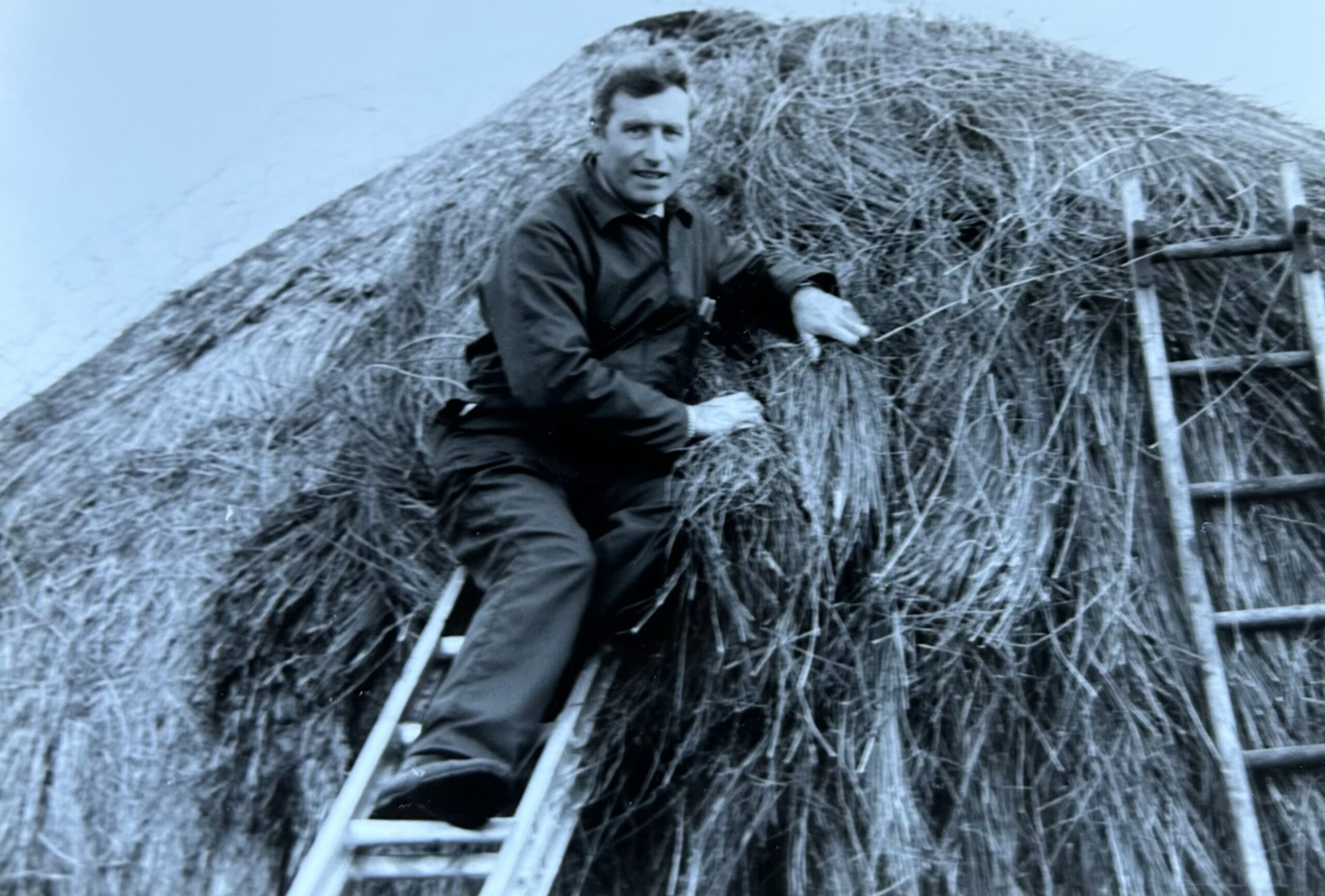
The design of the Highland croft house was shaped almost entirely by the availability of local materials. With little means to import supplies, crofters built using what could be gathered nearby often constructing their homes themselves over weeks or months. Housebuilding was commonly a communal activity, with neighbours sharing the labour. Site selection was critical. Houses were usually located near a water source, as all water had to be carried by hand, and access to suitable stone often determined where a dwelling could be built. On treeless islands, roofing timber was scarce and typically sourced from driftwood or, at times, from shipwrecks washed ashore. Traditional Skye cottages featured stone walls up to three feet thick and hip-ended roofs with overhanging thatch. Roofs were formed using a couple-and-purlin structure, topped with branches, turf, and a final layer of rush or reed thatch. Originally the roof was held down with a rope made from heather but had no longevity so from the mid 1900s wire netting became the preferred method. Once commonplace, thatching is now a declining craft, with few skilled practitioners remaining.

Plan Your Visit

Opening Times

Monday to Saturday

10:00am to 5:00pm

Last entry: 4:30pm

Season: Easter to late September

Admission

Adults: £8.00

Children under 15: free

(must be accompanied by an adult)

How To Find Us

Kilmuir, By Portree, Isle of Skye, IV51 9UE. Reach us via the A855 (east coast route via Staffin) or via Uig and north on the A855.